September Birth FlowersAster & Morning Glory
Updated June 2026
Love, wisdom, faith, and the beauty of each new day
Quick answer: The birth flowers for September are the Aster and the Morning Glory.
Asters symbolize love, wisdom, and faith, while morning glories represent affection and the preciousness of each new day — capturing the transition from summer warmth to autumn richness.
What Are September's Birth Flowers?
September has two birth flowers: the aster and the morning glory. Together, they mirror the month's dual nature — late summer's lingering warmth blending with autumn's emerging depth and richness.
The aster (Symphyotrichum species), September's primary birth flower, takes its name from the Greek word for "star" — a fitting description of its radiating, daisy-like petals. Asters blanket autumn landscapes in shades of purple, blue, pink, and white, providing essential late-season nectar for monarch butterflies and other pollinators preparing for migration.
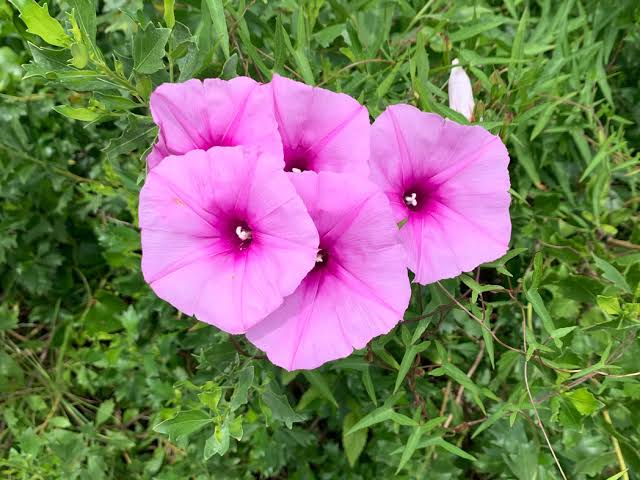
The morning glory (Ipomoea purpurea) is September's secondary birth flower. These fast-growing vines produce trumpet-shaped flowers that unfurl each morning at dawn and close by afternoon, with each individual bloom lasting just a single day. This ephemeral beauty makes the morning glory a symbol of life's fleeting, precious moments.
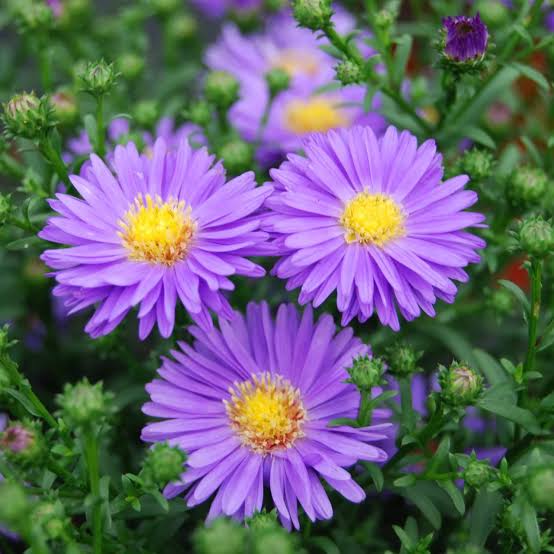
Aster: Meaning & Color Symbolism
Asters carry rich symbolism rooted in Greek mythology and the Victorian language of flowers. The specific shade of an aster deepens its message, turning a simple bouquet into a meaningful gesture:
Aster Meanings by Color
Purple
Wisdom, royalty, and deep admiration
Blue
Depth, stability, and faithfulness
Pink
Love, sensitivity, and kindness
White
Purity, innocence, and new beginnings
Red
Undying devotion and eternal love
Lavender
Elegance, refinement, and grace
Cultural Significance
In Greek mythology, asters were born from the tears of the goddess Astraea, who wept when she looked down from the heavens and saw no stars on Earth. The gods transformed her tears into star-shaped flowers, scattering them across meadows and hillsides as earthly constellations.
Asters were traditionally placed on the graves of French soldiers to honor their sacrifice, carrying the message that things might have been different. In England, they are called "Michaelmas daisies" because they bloom around the feast of St. Michael (September 29), when they were used to decorate churches and celebrate the archangel.
Morning Glory: Meaning & Symbolism
The morning glory symbolizes affection, love, mortality, and new beginnings. Each bloom opens at dawn and fades by afternoon — a lifespan measured in hours rather than days. This fleeting beauty gives the morning glory its poignant meaning: love is precious because it doesn't last forever.
In Victorian flower language, morning glories often conveyed unrequited love or affection that was beautiful yet fleeting. Giving someone a morning glory acknowledged the bittersweetness of a love that might not be returned or a moment that couldn't be held.
In Japanese culture, morning glories (asagao) hold a cherished place. They were introduced to Japan in the 9th century as a medicinal plant and quickly became an ornamental favorite. Summer morning glory festivals and competitions remain popular throughout Japan, where the flowers represent brief but intense beauty.
History of September's Birth Flowers
Aster History
Asters have been revered since ancient Greece, where they were believed to be sacred to the gods. The ancient Greeks burned aster leaves to ward off evil spirits and snakes. Throughout medieval Europe, asters were considered enchanted flowers with magical protective properties.
The Asteraceae family — named after the aster — is one of the largest flowering plant families on Earth, including daisies, sunflowers, and chrysanthemums. North American aster species were reclassified as Symphyotrichum in the 1990s, though the common name "aster" remains universally used.
Morning Glory History
Morning glories are native to tropical regions of the Americas and Asia, where they have been cultivated for centuries. In ancient China and Japan, they were prized for their medicinal properties — morning glory seeds were used as a laxative in traditional Chinese medicine.
The Aztecs of Mexico used certain morning glory species in spiritual rituals. When European explorers brought the plant back to the continent, its quick-fading blooms led to associations with the fleeting nature of love and mortality in Victorian flower dictionaries.
How to Grow September's Birth Flowers
⭐ Growing Asters
- Light:Full sun to light shade (6+ hours of sun ideal)
- Soil:Well-drained, fertile soil with good air circulation
- Water:Regular watering, especially during dry spells
- Zones:USDA zones 3-8 (varies by species)
- Bloom:Late summer through fall, peaking in September and October
- Tip:Pinch stems back in early summer for bushier growth and more blooms
🌅 Growing Morning Glories
- Light:Full sun for the most abundant blooms
- Soil:Moderately fertile, well-drained soil (not too rich)
- Water:Regular watering, but avoid overwatering
- Zones:Annual in most zones; self-seeds in USDA zones 3-10
- Bloom:Midsummer through early fall; each flower lasts one day
- Tip:Soak seeds overnight before planting and provide a trellis or fence for climbing
Popular Varieties
New England Aster
S. novae-angliae
Tall, bushy plants with vibrant purple, pink, or white flowers — one of the best for attracting butterflies.
New York Aster
S. novi-belgii
Shorter than New England asters with smooth leaves, available in blue, purple, pink, and white shades.
China Aster
Callistephus chinensis
Annual asters with large, showy blooms in a wide range of colors — popular for cut flower arrangements.
Heavenly Blue
I. tricolor
The most iconic morning glory, prized for large sky-blue flowers with white throats and vigorous climbing growth.
Grandpa Ott's
I. purpurea
An heirloom variety with deep purple flowers marked by a reddish star — exceptionally prolific and reliable.
Moonflower
I. alba
A nocturnal cousin that opens its large white blooms at dusk instead of dawn, releasing a sweet fragrance.
Interesting Facts
Star Flowers
The name "aster" comes from the Greek word for "star." In mythology, asters were born from the tears of the goddess Astraea, who wept at the lack of stars on Earth.
Pollinator Lifeline
Asters are a critical late-season nectar source for monarch butterflies during their fall migration, as well as bees stocking up honey stores before winter.
One-Day Blooms
Each morning glory flower opens at dawn and closes by afternoon, lasting only a single day. A healthy vine compensates by producing dozens of new blooms daily.
Ancient Snake Repellent
The ancient Greeks burned aster leaves as incense, believing the smoke would drive away evil spirits and venomous snakes from their homes.
Rapid Climbers
Morning glory vines can grow 10 to 15 feet in a single season, quickly covering trellises, fences, and arbors with lush foliage and abundant blooms.
Massive Plant Family
Asters belong to the Asteraceae family — one of the largest plant families on Earth with over 32,000 species, including sunflowers, daisies, and chrysanthemums.
How to Use September's Birth Flowers
Birthday Bouquets
Pair purple asters with trailing morning glory vines for a stunning September birthday arrangement. Add deep blue blooms to echo September's birthstone, sapphire.
Home & Garden
Plant asters along borders for a burst of fall color that attracts butterflies. Train morning glories over an arbor or mailbox for a charming cottage-garden effect.
Tattoo Inspiration
The aster's star-shaped geometry works beautifully in fine-line and geometric tattoo styles, while the morning glory's trumpet shape suits flowing, watercolor designs.
Special Occasions
Purple asters for wisdom-themed gifts, white asters for sympathy, and morning glories for anyone who loves dawn rituals or embodies a "seize the day" spirit.
September Birth Flowers by Date
Aster and morning glory are the birth flowers for the entire month of September. The zodiac sign is what changes with the date:
September birth flowers for every date
| Date | Zodiac Sign | Birth Flowers |
|---|---|---|
| September 1st | Virgo | Aster & Morning Glory |
| September 2nd | Virgo | Aster & Morning Glory |
| September 3rd | Virgo | Aster & Morning Glory |
| September 4th | Virgo | Aster & Morning Glory |
| September 5th | Virgo | Aster & Morning Glory |
| September 6th | Virgo | Aster & Morning Glory |
| September 7th | Virgo | Aster & Morning Glory |
| September 8th | Virgo | Aster & Morning Glory |
| September 9th | Virgo | Aster & Morning Glory |
| September 10th | Virgo | Aster & Morning Glory |
| September 11th | Virgo | Aster & Morning Glory |
| September 12th | Virgo | Aster & Morning Glory |
| September 13th | Virgo | Aster & Morning Glory |
| September 14th | Virgo | Aster & Morning Glory |
| September 15th | Virgo | Aster & Morning Glory |
| September 16th | Virgo | Aster & Morning Glory |
| September 17th | Virgo | Aster & Morning Glory |
| September 18th | Virgo | Aster & Morning Glory |
| September 19th | Virgo | Aster & Morning Glory |
| September 20th | Virgo | Aster & Morning Glory |
| September 21st | Virgo | Aster & Morning Glory |
| September 22nd | Virgo | Aster & Morning Glory |
| September 23rd | Libra | Aster & Morning Glory |
| September 24th | Libra | Aster & Morning Glory |
| September 25th | Libra | Aster & Morning Glory |
| September 26th | Libra | Aster & Morning Glory |
| September 27th | Libra | Aster & Morning Glory |
| September 28th | Libra | Aster & Morning Glory |
| September 29th | Libra | Aster & Morning Glory |
| September 30th | Libra | Aster & Morning Glory |
September Birth Flower & Birthstone Connection
The deep blues and purples of asters and morning glories mirror the most prized hues of September's birthstone, the sapphire.
The aster's association with wisdom aligns perfectly with sapphire's centuries-old symbolism of wisdom, royalty, and divine truth.
Both September's flowers and birthstone evoke the clear, deep skies of early autumn — a visual and symbolic harmony.
The morning glory's fleeting beauty reminds us to cherish each moment, complementing sapphire's enduring, eternal nature.