July Birthstone
Ruby
The king of precious stones — a gem of passion, protection, and unrivaled fire
Quick answer: The birthstone for July is Ruby.
Ruby is both the modern and traditional birthstone for July, celebrated for its intense red color, extraordinary hardness, and centuries-old reputation as the most powerful of all precious stones.
What Is the Birthstone for July?
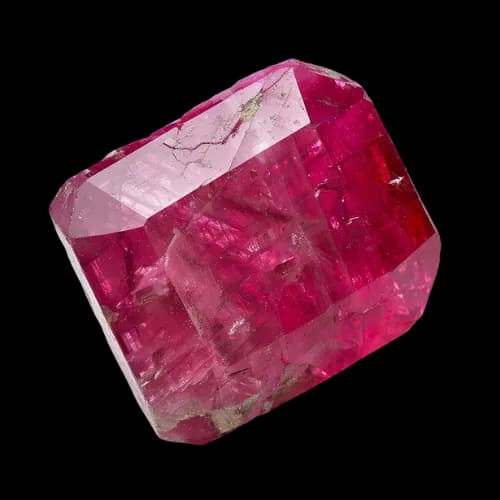
The July birthstone is ruby. Called "ratnaraj" in ancient Sanskrit — meaning "king of precious stones" — ruby is one of the four recognized precious gemstones alongside diamond, emerald, and sapphire. It is a variety of the mineral corundum, colored red by trace amounts of chromium.
The name "ruby" comes from the Latin ruber, meaning "red." All other colors of corundum are classified as sapphire, making ruby's identity inseparable from its signature hue. Throughout history, rubies have been treasured by royalty across civilizations, from ancient Indian maharajas to European monarchs.
Today ruby is among the most valuable gemstones on Earth. Fine rubies routinely command higher prices per carat than equivalent-quality diamonds, making ruby an extraordinary July birthday gift and a prized addition to any jewelry collection.
Ruby Meaning & Symbolism
Across cultures and centuries, ruby has carried meanings of power, passion, and protection that resonate powerfully with those born in July.
Passion & Love
Ruby's fiery red has symbolized passionate love for millennia. It is the stone of the heart, believed to deepen romantic bonds and ignite desire.
Protection & Courage
Ancient warriors wore rubies into battle for invincibility. It remains a powerful protective talisman, believed to shield the wearer from harm.
Power & Authority
Called the "stone of kings," ruby has adorned crowns and royal jewelry for centuries, symbolizing sovereignty, strength, and command.
Prosperity & Success
Ruby is thought to attract wealth, open doors to opportunity, and fuel the ambition needed to achieve great goals.
Vitality & Energy
Associated with the life force and the blood, ruby is believed to boost energy, stamina, and physical vigor — fueling body and spirit.
Confidence & Courage
Ruby inspires fearlessness, self-assurance, and the willingness to take bold action — the perfect stone for natural leaders.
Ruby Colors & Varieties
While all rubies are red corundum, origin, color nuance, and special optical effects create distinctive varieties:
Burmese (Myanmar)
Pigeon's Blood Red
The world standard — a pure, vivid red with a blue hint, strong fluorescence, and an inner glow that no other source replicates.
Mozambique
Rich Purplish-Red
A major modern source producing gems that rival Burmese quality, with deep red color and good transparency.
Thai
Dark Garnet Red
Darker, brownish-red tones with less fluorescence — often cleaner and available in larger sizes.
Star Ruby
Asterism on Red
Displays a six-rayed star floating across the surface, caused by rutile needle inclusions — extremely rare in fine quality.
Pink Ruby
Light Pinkish-Red
At the border between ruby and pink sapphire — lighter in tone but still captivating, often more affordable.
Treated Ruby
Enhanced Red
Heat treatment is common and accepted. Glass-filled and diffusion-treated rubies are more affordable but require different care.
Why Is Ruby the July Birthstone?
Ruby's association with July is rooted in the stone's ancient connection to the sun, fire, and the peak of summer. July is the hottest month in much of the Northern Hemisphere, and no gemstone embodies heat, energy, and vitality more completely than ruby. Ancient cultures believed rubies contained an inner fire that could never be extinguished.
The modern birthstone list was officially standardized in 1912 by the American National Association of Jewelers (now Jewelers of America). They formalized ruby as the July birthstone — a choice that honored thousands of years of tradition. Ruby had long appeared on historical birthstone lists, including those connected to the Breastplate of Aaron and early Hindu astrological charts.
Ruby connects beautifully to both July zodiac signs: Cancer values its protective, nurturing energy and emotional strength, while Leo thrives with ruby's bold confidence, leadership qualities, and fiery passion.
The History of Ruby
Ruby has been revered for thousands of years. In ancient India, where it was first mined, ruby was called "ratnaraj" — the king of precious stones. Hindu texts describe ruby as the most precious of all gems, and ancient Indians believed that offering rubies to the god Krishna would ensure rebirth as an emperor.
Burmese warriors had one of history's most dramatic relationships with ruby. They inserted the gemstones into their flesh before battle, believing that rubies embedded in the body — not merely worn — would make them invincible. The Mogok Valley in Myanmar has produced the world's finest rubies for centuries, with the best "pigeon's blood" stones reserved exclusively for the Burmese monarchy.
In medieval Europe, rubies adorned the crowns and regalia of kings. They were believed to darken when danger approached and to restore their color when the threat passed. The ruby was also thought to cure blood diseases, calm anger, and resolve disputes — a gem of both physical and spiritual power.
In 1960, the first laser was created using a synthetic ruby crystal. Ruby's chromium atoms, the same element that gives the stone its red color, proved ideal for producing coherent light. Today, beyond the Mogok Valley, significant ruby deposits are mined in Mozambique, Thailand, Sri Lanka, Vietnam, Madagascar, and Tanzania.
Ruby Properties
⚗️Physical Properties
- Mineral
- Corundum (Al₂O₃)
- Hardness
- 9 on Mohs scale (second only to diamond)
- Crystal System
- Hexagonal
- Refractive Index
- 1.762-1.770
- Chemistry
- Al₂O₃
- Color Range
- Red (ranging from pinkish to deep red)
🌍Where Ruby Is Found
Ruby is mined across several continents, with each source producing stones of distinctive character:
How to Care for Ruby Jewelry
Ruby is one of the most durable gemstones, but proper care ensures it stays brilliant for generations:
Clean ruby jewelry with mild soap and warm water using a soft brush.
Ultrasonic cleaners are generally safe for untreated rubies.
Steam cleaning is generally safe for untreated rubies.
Avoid exposure to harsh chemicals.
Natural rubies are heat resistant.
Store separately to prevent scratching other gemstones.
While rubies are durable (9 on the Mohs scale), they can still be chipped by hard blows, so remove ruby jewelry during vigorous activities.
If your ruby has been treated (especially glass-filled), avoid ultrasonic cleaners, steam cleaners, and harsh chemicals.
How to Choose Ruby Jewelry
When shopping for ruby jewelry, color is paramount. The finest rubies exhibit a vivid, saturated red with no brown or orange undertones. A slight blue hint — the hallmark of "pigeon's blood" color — is the most prized trait in the ruby world.
- 1. Color first: Vivid, saturated red is most desirable. Avoid stones that are too dark (appearing nearly black) or too light (closer to pink sapphire).
- 2. Clarity: Some inclusions are expected in natural rubies. Completely eye-clean stones are rare and command a significant premium.
- 3. Cut: Well-cut rubies maximize brilliance and color saturation. Oval, cushion, and round cuts are the most popular shapes.
- 4. Treatment disclosure: Most rubies are heat-treated — this is accepted and should be disclosed. Glass-filled rubies are significantly less valuable and require different care.
Fascinating Facts About Ruby
Ruby and sapphire are actually the same mineral (corundum). The only difference is color—ruby is red corundum, while all other colors of corundum are classified as sapphires.
The Sunrise Ruby, a 25.59-carat Burmese ruby, sold for $30.3 million in 2015, setting a world record price for a ruby and a record price-per-carat for any colored gemstone.
The world's first laser was created using a synthetic ruby crystal in 1960. Ruby's chromium atoms, which give the stone its red color, also make it perfect for generating the coherent light needed for lasers.
The Liberty Bell Ruby, carved from a single 8,500-carat ruby, was once the largest mined ruby in the world. Sculpted into a miniature Liberty Bell with 50 diamonds, it was stolen in a heist in 2011 and has never been recovered.
July Birthstone by Date
No matter which day in July you were born, ruby is your birthstone. Here's how each part of the month connects to ruby's energy:
July 1–10
Cancer
Early July births channel ruby's protective energy and emotional courage as summer reaches its peak.
July 11–22
Cancer
Mid-July connects to ruby's nurturing fire — strength that supports those you love and shields what matters most.
July 23–31
Leo
Late July harnesses ruby's bold leadership energy, confidence, and magnetic passion as Leo season begins.
View All July Dates
July Birth Flower: Larkspur & Water Lily
July's birth flowers — the larkspur and water lily — share ruby's themes of passion, positivity, and resilience. Both the vibrant larkspur and the fiery ruby radiate the bold, joyful energy of midsummer.
Explore July's Birth Flowers